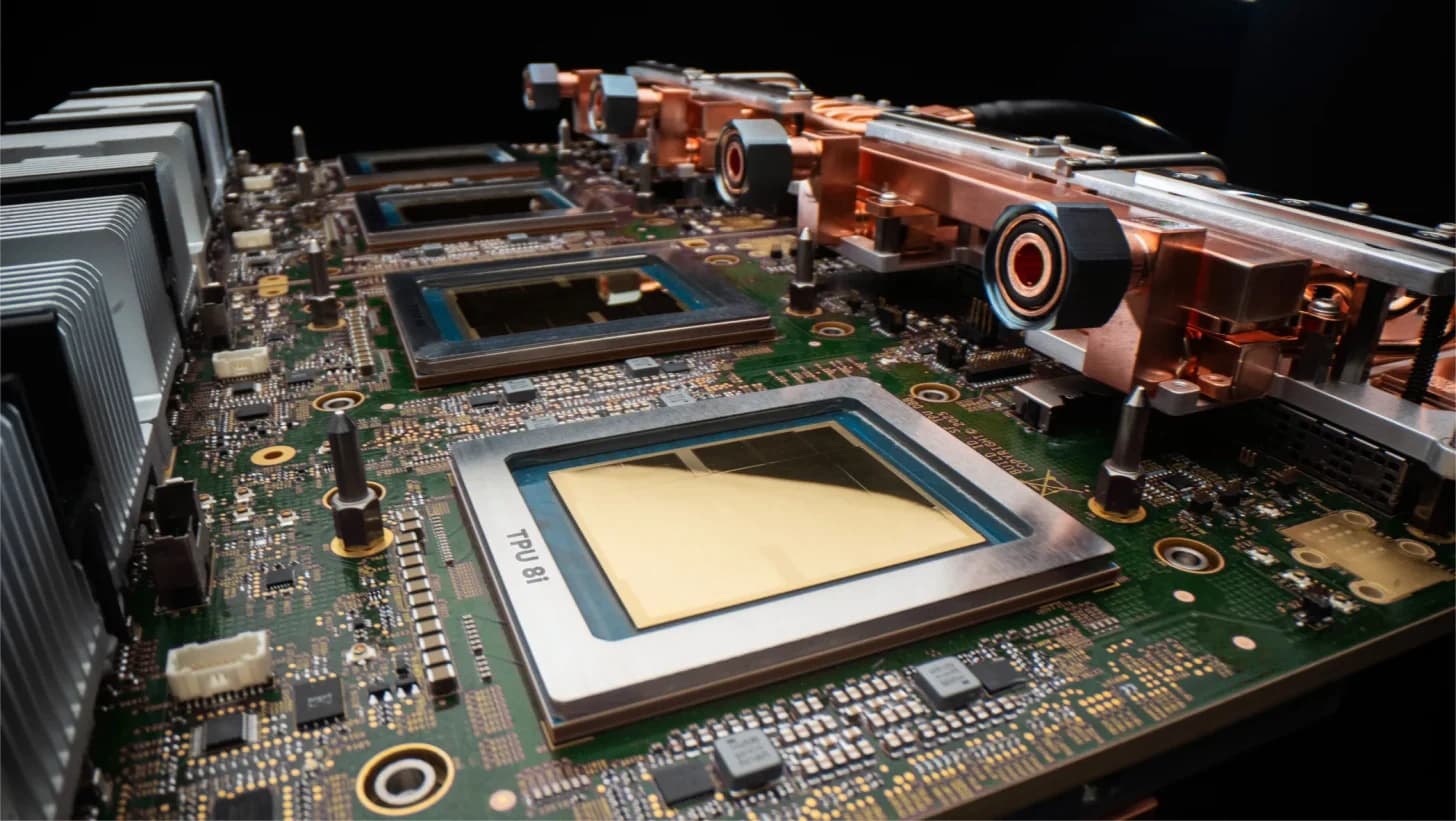
Deploying VLA Models on Embedded Robots: NXP's Systems Engineering Guide
NXP has published a technical guide on deploying Vision-Language-Action (VLA) models on embedded robotic platforms, addressing the gap between recent advances in multimodal AI and practical robot deployment. The guide covers dataset recording best practices, fine-tuning workflows for models like ACT and SmolVLA, and real-time optimization techniques for NXP's i.MX 95 SoC. The core challenge is not model compression alone but systems-level engineering: managing inference latency to stay within action execution windows, handling asynchronous control pipelines, and maintaining consistency in training data collection.
NXP has published a technical guide on deploying Vision-Language-Action (VLA) models on embedded robotic platforms, addressing the gap between recent advances in multimodal AI and practical robot deployment. The guide covers dataset recording best practices, fine-tuning workflows for models like ACT and SmolVLA, and real-time optimization techniques for NXP's i.MX 95 SoC. The core challenge is not model compression alone but systems-level engineering: managing inference latency to stay within action execution windows, handling asynchronous control pipelines, and maintaining consistency in training data collection.
- High-quality, consistent training data matters more than volume; fixed cameras, controlled lighting, and strong visual contrast are non-negotiable for reliable robot learning
- Gripper-mounted cameras significantly improve fine manipulation accuracy by providing close, task-relevant viewpoints alongside scene-level views
- Asynchronous inference pipelines enable smooth robot motion by decoupling model generation from arm execution, but require end-to-end latency shorter than action duration
- Deploying VLA models on embedded platforms is a systems engineering problem requiring latency-aware scheduling and hardware-aligned execution, not just model compression
VLA models represent a major step forward in robot control, moving from text-only reasoning to end-to-end visuomotor policies. However, the gap between research models and deployable embedded systems remains wide. This guide bridges that gap by providing concrete, field-tested practices for the full pipeline from data collection through on-device optimization, making VLA deployment accessible to robotics teams without massive compute budgets.
- Dataset quality and consistency are the primary lever for robot learning success, not model size or parameter count, shifting focus from scaling to engineering discipline
- Multi-camera setups with gripper-mounted sensors are becoming standard practice for manipulation tasks, but introduce latency tradeoffs that must be managed at the systems level
- Asynchronous control architectures are necessary for smooth robot operation on embedded platforms, requiring careful temporal alignment between inference and execution cycles
Our Briefing
Weekly signal. No noise. Built for founders, operators, and AI-curious professionals.
No spam. Unsubscribe any time.