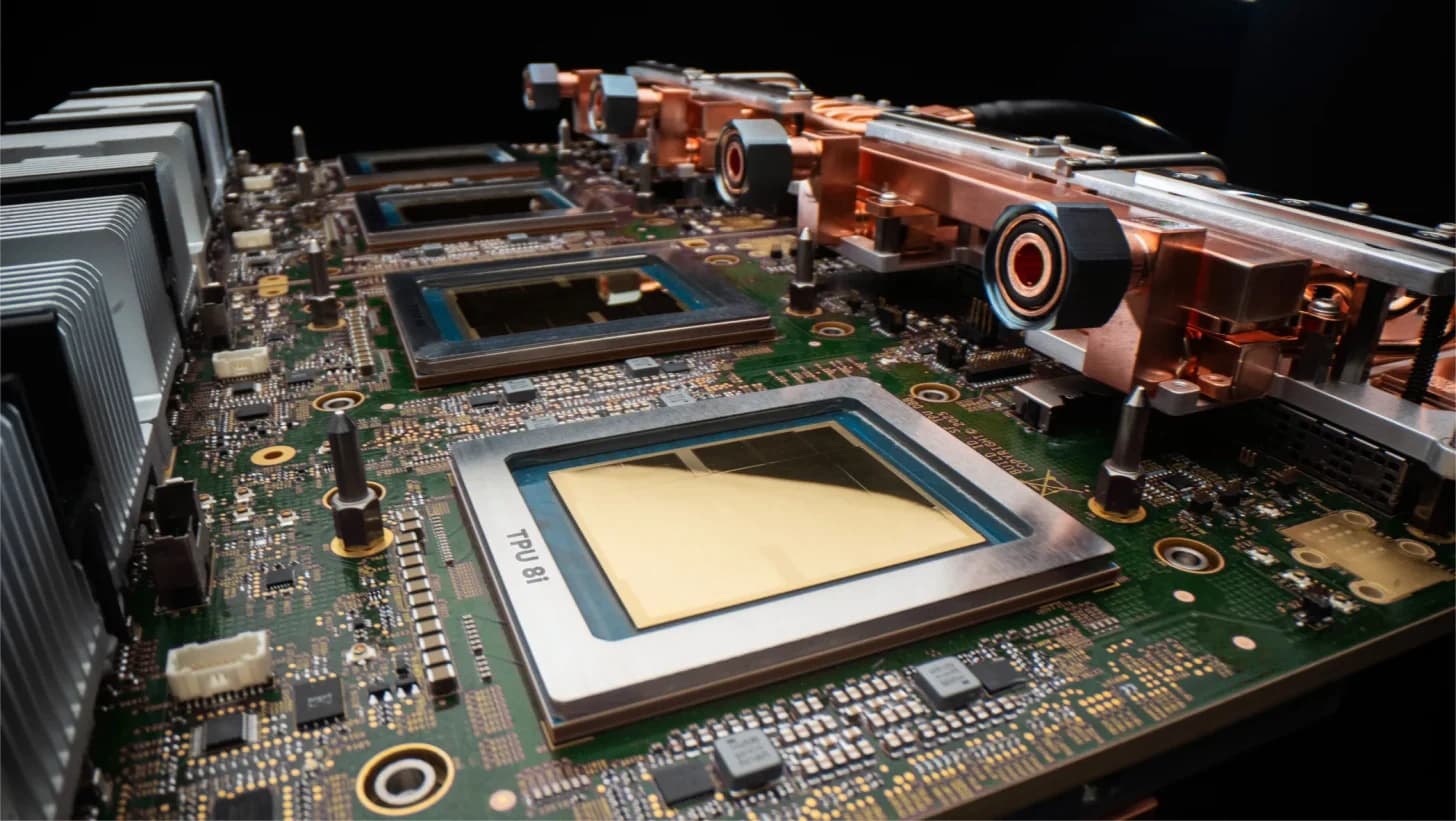
Amazon Taps Google Chip Veteran to Lead AI Silicon Push
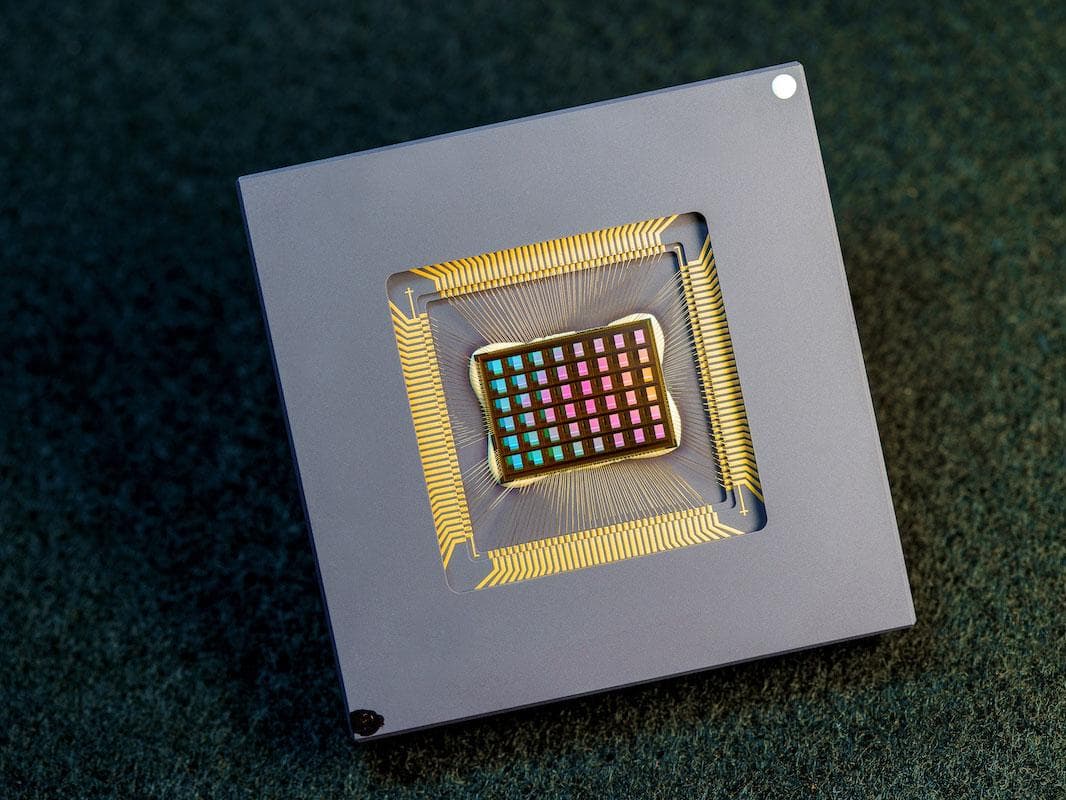
Amazon has hired Steve Molloy, a seven-year Google veteran, as vice president of AI silicon in a newly created role. Molloy's appointment signals Amazon's intensifying effort to build proprietary AI chip capabilities in-house rather than rely solely on third-party suppliers. The move reflects broader competitive pressure in the AI infrastructure space, where companies like Google, Meta, and others are developing custom silicon to reduce costs and improve performance for large language models and other AI workloads.
Amazon has hired Steve Molloy, a seven-year Google veteran, as vice president of AI silicon in a newly created role. Molloy's appointment signals Amazon's intensifying effort to build proprietary AI chip capabilities in-house rather than rely solely on third-party suppliers. The move reflects broader competitive pressure in the AI infrastructure space, where companies like Google, Meta, and others are developing custom silicon to reduce costs and improve performance for large language models and other AI workloads.
- Steve Molloy, former Google chip engineer, joins Amazon as newly-created VP of AI silicon
- Seven-year tenure at Google suggests deep expertise in silicon design and AI chip architecture
- Amazon's move underscores the strategic importance of custom AI chips for cloud providers and AI companies
- Hire indicates Amazon is accelerating internal chip development to compete with Google, Meta, and other players building proprietary silicon
Custom AI chips have become a critical competitive lever in the AI infrastructure race. Companies that design their own silicon can optimize for specific workloads, reduce dependency on external suppliers like Nvidia, and improve unit economics at scale. Amazon's recruitment of a senior Google chip designer signals serious commitment to this capability and suggests the company views in-house silicon as essential to its AI strategy.
- Amazon is escalating its vertical integration strategy in AI infrastructure, moving beyond reliance on Nvidia GPUs and custom accelerators from other vendors
- The hire suggests Amazon has concrete plans for AI chip development and is willing to pay for proven talent from competitors like Google
- Custom silicon development is becoming table stakes for hyperscalers, intensifying competition for specialized chip design talent and raising barriers to entry for smaller players
Our Briefing
Weekly signal. No noise. Built for founders, operators, and AI-curious professionals.
No spam. Unsubscribe any time.