vff
NewsTrending

OpenAI's Phone Play: AI Agents Over Apps by 2028

Ivan MehtaRead original
Share
OpenAI's Phone Play: AI Agents Over Apps by 2028

OpenAI is reportedly developing a smartphone device where AI agents would replace traditional applications, according to analyst commentary. The device could enter mass production as early as 2028, marking a significant shift in how users interact with mobile computing. This represents a potential pivot from the app-based paradigm that has dominated smartphones for nearly two decades, positioning AI agents as the primary interface for tasks and services.

OpenAI is reportedly developing a smartphone device where AI agents would replace traditional applications, according to analyst commentary. The device could enter mass production as early as 2028, marking a significant shift in how users interact with mobile computing. This represents a potential pivot from the app-based paradigm that has dominated smartphones for nearly two decades, positioning AI agents as the primary interface for tasks and services.

  • OpenAI is developing a phone where AI agents replace traditional apps
  • Mass production could begin in 2028, according to analyst estimates
  • The device would represent a fundamental shift away from the app-based mobile model
  • This move signals OpenAI's ambition to control the full hardware-software stack for AI deployment

This development signals a major architectural shift in how AI companies envision computing interfaces. Rather than building on top of existing mobile platforms, OpenAI would be creating an end-to-end system where agents handle user requests directly, potentially bypassing the app store model entirely. This could reshape how AI capabilities are monetized and distributed to consumers.

  • The app store model could face disruption if agents become the primary interface for mobile tasks and services
  • Hardware control would give OpenAI significant leverage over how users access AI capabilities and which services they use
  • Developers may need to shift from building apps to building agent-compatible services and integrations
  • A 2028 timeline suggests OpenAI is moving aggressively to establish hardware presence before competitors solidify their positions
Share

Our Briefing

Weekly signal. No noise. Built for founders, operators, and AI-curious professionals.

No spam. Unsubscribe any time.

Related stories

AI Discovers Security Flaws Faster Than Humans Can Patch Them

AI Discovers Security Flaws Faster Than Humans Can Patch Them

Recent high-profile breaches at startups like Mercor and Vercel, combined with Anthropic's disclosure that its Mythos AI model identified thousands of previously unknown cybersecurity vulnerabilities, underscore growing demand for AI-powered security solutions. The article argues that cybersecurity vendors CrowdStrike and Palo Alto Networks, which are integrating AI into their threat detection and response capabilities, represent undervalued investment opportunities as enterprises face mounting pressure to defend against both conventional and AI-discovered attack vectors.

21 days ago· The Information
AWS Launches G7e GPU Instances for Cheaper Large Model Inference
TrendingModel Release

AWS Launches G7e GPU Instances for Cheaper Large Model Inference

AWS has launched G7e instances on Amazon SageMaker AI, powered by NVIDIA RTX PRO 6000 Blackwell GPUs with 96 GB of GDDR7 memory per GPU. The instances deliver up to 2.3x inference performance compared to previous-generation G6e instances and support configurations from 1 to 8 GPUs, enabling deployment of large language models up to 300B parameters on the largest 8-GPU node. This represents a significant upgrade in memory bandwidth, networking throughput, and model capacity for generative AI inference workloads.

29 days ago· AWS Machine Learning Blog
Anthropic Launches Claude Design for Non-Designers
Model Release

Anthropic Launches Claude Design for Non-Designers

Anthropic has launched Claude Design, a new product aimed at helping non-designers like founders and product managers create visuals quickly to communicate their ideas. The tool addresses a gap for early-stage teams and individuals who need to share concepts visually but lack design expertise or resources. Claude Design integrates with Anthropic's Claude AI platform, leveraging its capabilities to streamline the visual creation process. The launch reflects growing demand for AI-powered design tools that lower barriers to entry for non-technical users.

about 1 month ago· TechCrunch AI
Google Splits TPUs Into Training and Inference Chips

Google Splits TPUs Into Training and Inference Chips

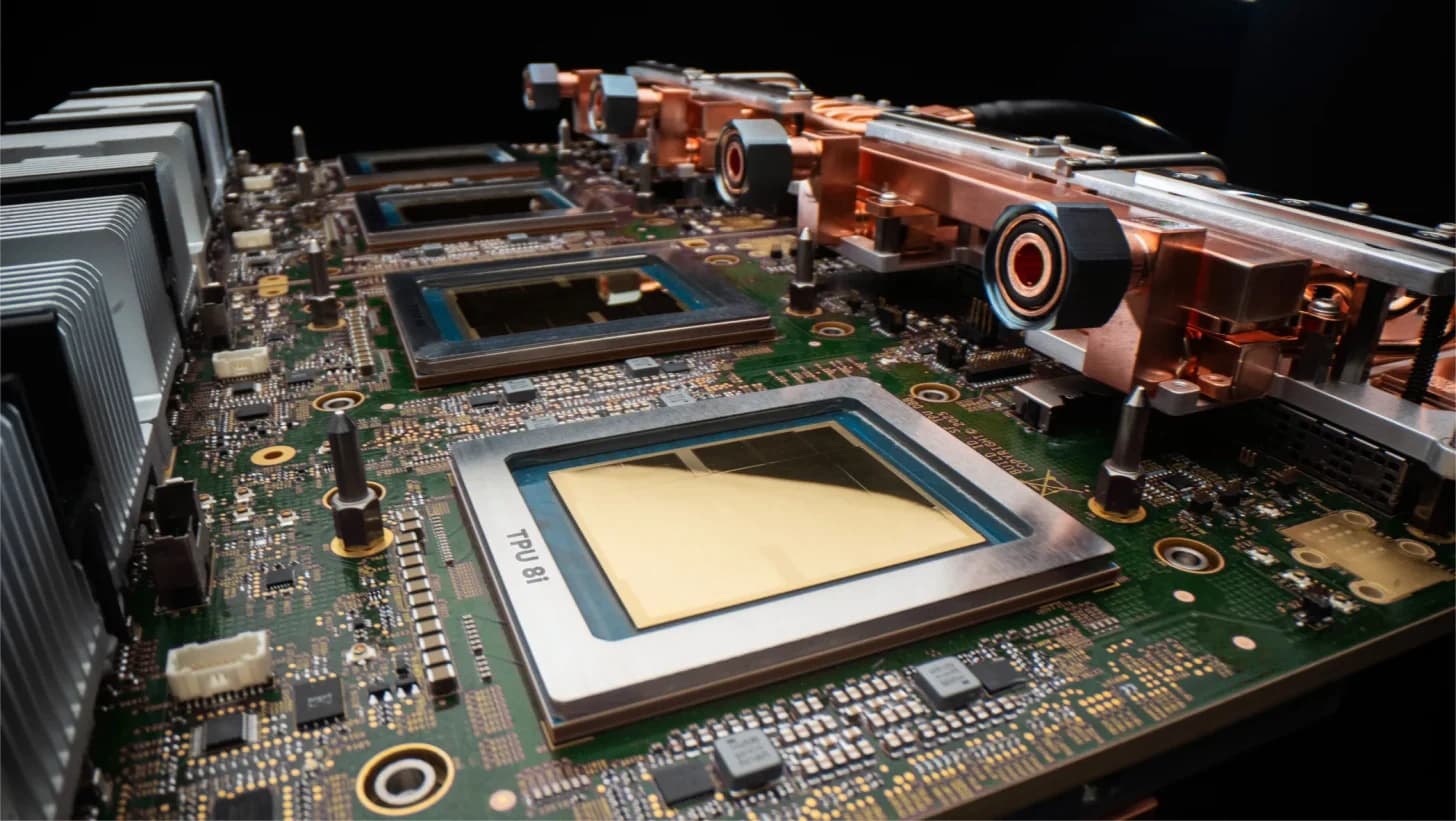
Google is splitting its eighth-generation tensor processing units into separate chips optimized for AI training and inference, a shift the company says reflects the rise of AI agents and their distinct computational needs. The training chip delivers 2.8 times the performance of its predecessor at the same price, while the inference processor (TPU 8i) achieves 80% better performance and includes triple the SRAM of the prior generation. Both chips will launch later this year as Google continues its effort to compete with Nvidia in custom AI silicon, though the company is not directly benchmarking against Nvidia's offerings.

28 days ago· Direct