Google Faces Coding Crisis Ahead of I/O Conference
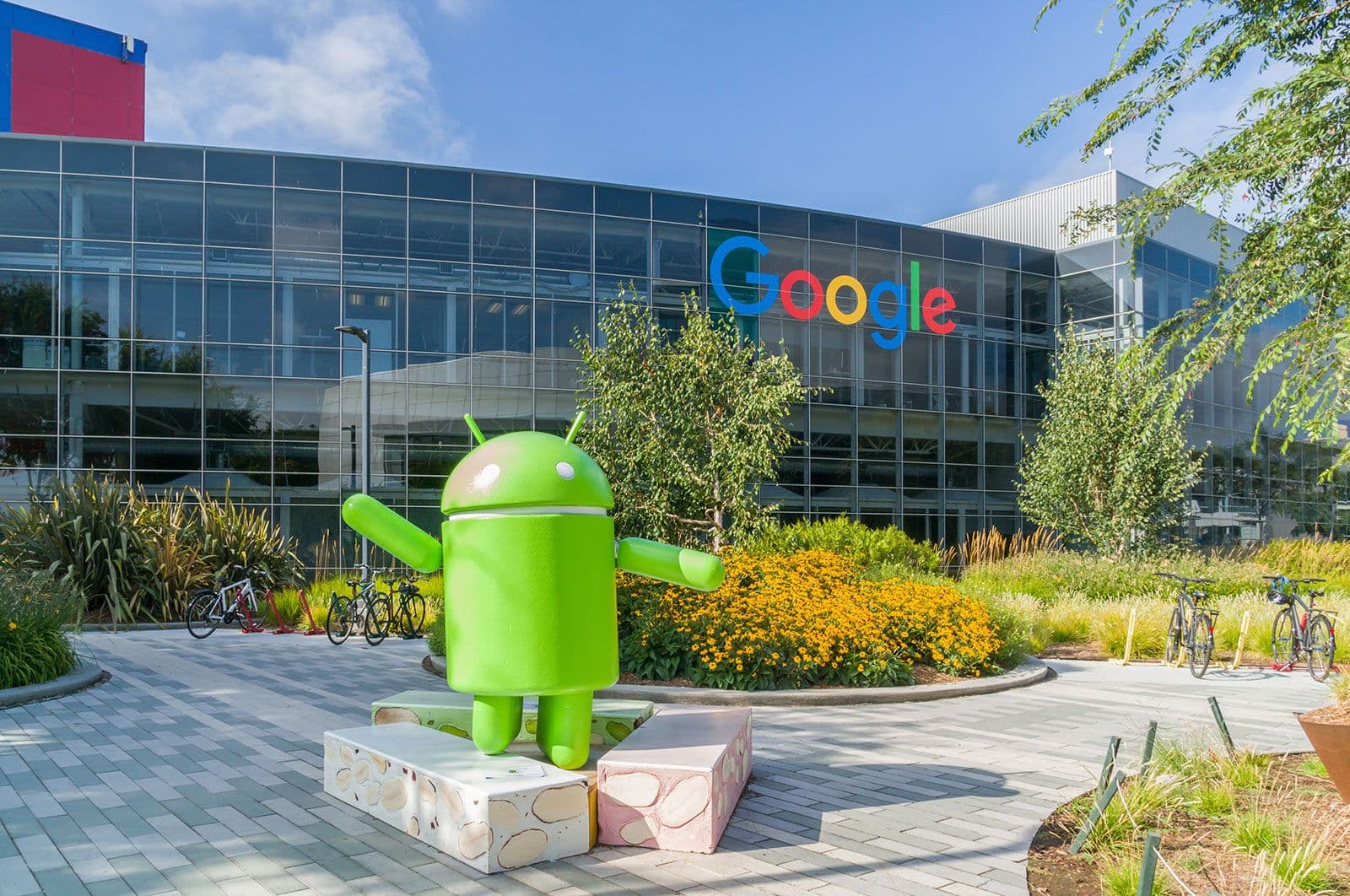
Google enters its annual I/O developer conference positioned as a clear third place in the foundation model race, particularly vulnerable in coding capabilities where Anthropic's Claude and OpenAI's systems have pulled significantly ahead. The company is reportedly assembling a new AI coding team at DeepMind with Nobel laureate John Jumper to address the gap, though observers expect incremental rather than transformative progress. Google maintains strength in AI for science and health applications, areas where it has earned competitive advantages, but faces questions about whether it can regain momentum in the high-stakes coding domain that now defines foundation model reputation.
Executive Summary
Google enters its I/O conference in third place in the foundation model race, trailing Anthropic's Claude and OpenAI's systems particularly in coding capabilities. The company is assembling a new AI coding team at DeepMind led by Nobel laureate John Jumper, though industry observers expect incremental rather than transformative progress. While Google maintains competitive advantages in AI for science and health applications, the company faces mounting pressure to demonstrate momentum in the high-stakes coding domain that now defines foundation model reputation.
Key Takeaways
- Google's position in coding capabilities has significantly weakened relative to Anthropic and OpenAI, placing the company at a competitive disadvantage in a market segment that drives foundation model reputation.
- The formation of a new dedicated AI coding team at DeepMind under John Jumper signals Google's recognition of the gap, but near-term improvements are expected to be incremental rather than transformative.
- Google retains competitive strength in AI applications for science and health, representing pockets of differentiation beyond the core coding challenge.
- The timing of this strategic shift ahead of I/O suggests Google may emphasize its science and health capabilities while managing expectations around coding performance.
- Coding ability has become the primary metric by which foundation models are publicly evaluated and compared, making this domain critical to market perception and developer adoption.
Why It Matters
The ability to handle coding tasks has become the defining benchmark for foundation model performance and a key driver of developer adoption and market share. Google's acknowledged gap in this area threatens its position with developers and could impact enterprise AI decisions, making this a critical competitive vulnerability in a market where perception and capability parity directly influence business outcomes.
Deep Dive
Google's third-place position in the foundation model hierarchy represents a significant strategic challenge for a company that pioneered transformer architecture and deep learning research. The coding domain has emerged as the primary proving ground for foundation model capabilities, with developers using coding performance as a primary metric for model selection and adoption. Anthropic's Claude and OpenAI's systems have pulled measurably ahead in this domain, creating a perception gap that extends beyond technical capability to influence enterprise procurement decisions and developer mindshare. The company's deliberate assembly of a focused coding team at DeepMind indicates a recognition that its broader approach to AI development has not kept pace with competitors' specialized focus on coding performance. However, the industry expectation of incremental rather than transformative progress suggests that Google faces fundamental challenges in rapidly closing a gap that competitors have built through sustained focus. Google's maintained strengths in science and health applications represent important differentiators but may not address the immediate market perception problem created by coding performance shortcomings. The timing of these moves ahead of I/O suggests Google will likely emphasize areas of strength while signaling commitment to addressing coding challenges, a positioning strategy that acknowledges current competitive realities while attempting to maintain developer and enterprise confidence.
Expert Perspective
Industry analysts increasingly view coding capability as the primary litmus test for foundation model maturity and developer readiness, with performance in this domain directly influencing market positioning and adoption rates. The formation of a specialized team suggests Google recognizes that broad AI capability does not automatically translate to competitive coding performance, a lesson underscored by competitors' focused investments in this specific domain. However, the expectation of incremental progress reflects a market view that foundation model capability gaps, once established, require sustained focus and time to close, particularly when competitors maintain ongoing investment and innovation momentum. Some observers note that Google's strength in science and health applications represents a legitimate differentiation strategy but is unlikely to address the coding perception problem that now defines public and developer assessment of foundation model quality.
What to Do Next
- Monitor Google's I/O announcements regarding coding capability improvements and evaluate whether disclosed progress timelines and technical approaches address specific use cases relevant to your organization's needs.
- Assess your organization's current coding AI tool dependencies relative to Google, Anthropic, and OpenAI solutions to identify potential transition risks or opportunities based on competitive capability shifts.
- If your organization relies on Google's AI services, request specific roadmap information from your account team regarding coding model enhancements and competitive capability targeting to inform procurement and development decisions.
- Review Google's announcements on science and health applications to identify whether these areas offer competitive advantages that align with your organization's strategic priorities and could provide alternative value propositions beyond coding capabilities.
Related Video
Our Briefing
Weekly signal. No noise. Built for founders, operators, and AI-curious professionals.
No spam. Unsubscribe any time.