Google's AI Science Pivot: From Tools to Autonomous Agents
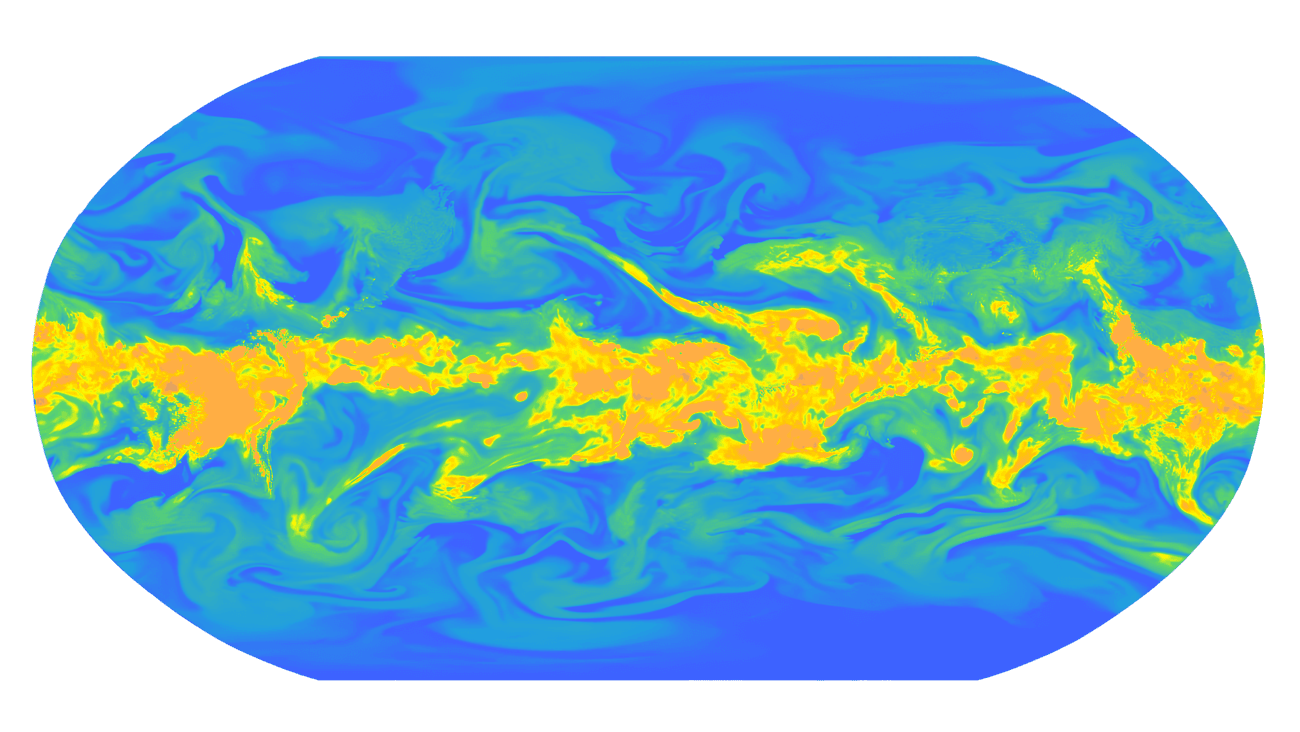
Google's I/O keynote revealed a strategic shift in how the company approaches AI for science. While CEO Demis Hassabis invoked singularity rhetoric, the centerpiece was WeatherNext, a specialized tool that predicted Hurricane Melissa's path. The tension between specialized scientific tools like WeatherNext and emerging agentic AI systems that could conduct research autonomously reflects a broader industry realignment toward the latter approach.
TL;DR
- Google is shifting resources toward agentic AI systems capable of autonomous research over specialized scientific tools, despite continued success of products like AlphaFold
- Nobel laureate John Jumper, who won for AlphaFold work, is now focused on AI coding rather than science-specific tools, signaling internal prioritization changes
- Agentic systems are showing measurable research contributions, including OpenAI's recent disproof of a mathematics conjecture
- Specialized tools remain widely used (AlphaFold by 3 million researchers), but Google's investment trajectory suggests a pivot toward general-purpose autonomous AI scientists
Why It Matters
The shift from specialized to agentic AI systems represents a fundamental change in how scientific research may be conducted. If autonomous AI systems can execute research projects without human guidance, it reshapes the role of human scientists and the nature of scientific discovery itself. This also raises questions about whether massive investments in single-purpose tools like AlphaFold remain justified if general-purpose AI agents become viable.
Business Impact
Companies investing in specialized scientific AI tools face uncertainty about long-term viability if agentic systems prove capable of broader research tasks. Conversely, organizations developing agentic AI and coding capabilities are positioning themselves as the primary infrastructure for future scientific work. Funding and talent allocation decisions made now will determine which companies dominate AI-driven science.
Key Implications
- Specialized scientific AI tools may become transitional rather than permanent solutions, affecting the business case for companies like Isomorphic Labs despite recent $2 billion funding
- Coding ability is becoming a critical bottleneck for agentic AI systems, explaining Google's reallocation of top talent away from domain-specific science tools
- The success of agentic systems in mathematics and other domains will accelerate industry-wide resource shifts, potentially leaving specialized tool developers behind
What to Watch
Monitor whether agentic AI systems continue making meaningful research contributions across multiple scientific domains or remain limited to specific areas like mathematics. Track how major AI labs allocate research talent and funding between specialized versus general-purpose AI approaches. Watch for announcements from Isomorphic Labs and other specialized science AI companies regarding their strategic direction and funding sustainability.
Related Video
Our Briefing
Weekly signal. No noise. Built for founders, operators, and AI-curious professionals.
No spam. Unsubscribe any time.