Vatican Joins Tech Leaders Warning of AI Power Concentration
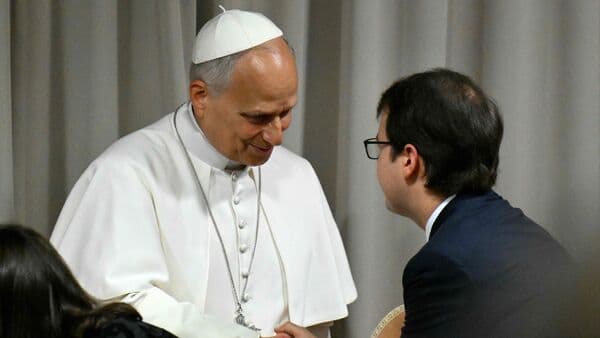
Pope Leo XIV published a 42,000-word treatise on AI policy concerns, joining Anthropic co-founders in warning about power concentration and labor displacement from artificial intelligence development. The Vatican document, titled Magnifica Humanitas, represents a significant institutional voice in ongoing debates about AI's societal impact and governance. The statement signals growing concern among religious and technology leaders about how AI development is concentrated among a small number of companies.
TL;DR
- Pope Leo XIV released a major treatise on AI risks, focusing on power concentration and labor displacement
- The 42,000-word document, Magnifica Humanitas, represents the Vatican's formal position on AI policy
- Anthropic co-founders are also warning about similar concerns regarding AI development concentration
- The statement adds institutional weight to ongoing policy debates about AI governance and societal harms
Why It Matters
The Vatican's formal entry into AI policy debates signals that concerns about AI concentration and labor displacement have reached mainstream institutional actors beyond tech circles. When religious institutions with global influence weigh in on technology governance, it typically precedes regulatory and policy shifts. This convergence of warnings from both religious leaders and AI company founders suggests growing consensus that current AI development trajectories pose governance challenges.
Business Impact
Companies developing AI systems face increasing scrutiny from institutional actors with significant cultural and political influence. The Vatican's concerns about power concentration and labor displacement could inform future regulatory frameworks that affect how AI companies operate, train models, and deploy systems. Organizations should anticipate that AI governance will increasingly involve non-traditional stakeholders beyond government regulators.
Key Implications
- Religious institutions are becoming active participants in AI policy debates, potentially influencing public opinion and regulatory direction
- Warnings about power concentration from both tech insiders and external institutions suggest this concern has credibility across different sectors
- Labor displacement concerns are now being articulated by mainstream institutional voices, not just labor advocates or critics
- The scale of the Vatican's statement (42,000 words) indicates this is a comprehensive institutional position, not a casual comment
What to Watch
Monitor whether the Vatican's treatise influences policy discussions in predominantly Catholic countries or at international governance bodies. Track whether other major religious institutions issue similar statements on AI governance. Observe how AI companies respond to these institutional concerns and whether they adjust their public positioning on power concentration and labor impacts.
Related Video
Our Briefing
Weekly signal. No noise. Built for founders, operators, and AI-curious professionals.
No spam. Unsubscribe any time.